Stay Independent: Fitness Tips for Older Adults
- Giovanna Manson-Hing
- 6 days ago
- 3 min read

Maintaining independence as we age is a goal many strive for, and staying physically fit plays a crucial role in achieving that. Regular exercise not only enhances physical health but also boosts mental well-being, allowing older adults to enjoy life to the fullest. In this blog post, we will explore practical fitness tips tailored specifically for older adults, ensuring they can stay active, healthy, and independent.
Understanding the Importance of Fitness for Older Adults
As we age, our bodies undergo various changes that can affect mobility, strength, and overall health. Engaging in regular physical activity can help counteract these changes. Here are some key benefits of staying fit:
Improved Mobility: Regular exercise enhances flexibility and balance, reducing the risk of falls.
Increased Strength: Strength training helps maintain muscle mass, which naturally declines with age.
Better Mental Health: Physical activity releases endorphins, which can alleviate symptoms of depression and anxiety.
Enhanced Cognitive Function: Studies suggest that regular exercise can improve memory and cognitive abilities.
Types of Exercises for Older Adults
When it comes to fitness, variety is key. Older adults should aim to incorporate different types of exercises into their routines. Here are some effective categories:
Aerobic Exercises
Aerobic exercises, also known as cardiovascular exercises, are essential for heart health. They help improve endurance and overall fitness. Some suitable options include:
Walking: A simple yet effective way to get moving. Aim for at least 30 minutes a day.
Swimming: A low-impact exercise that is easy on the joints and provides a full-body workout.
Cycling: Whether on a stationary bike or outdoors, cycling is a great way to build cardiovascular strength.
Strength Training
Strength training is crucial for maintaining muscle mass and bone density. Older adults should focus on:
Bodyweight Exercises: Push-ups, squats, and lunges can be done anywhere and require no equipment.
Resistance Bands: These are lightweight and versatile, making them perfect for strength training at home.
Light Weights: Using dumbbells can help build strength without putting too much strain on the body.
Flexibility and Balance Exercises
Flexibility and balance are vital for preventing falls and maintaining mobility. Consider incorporating:
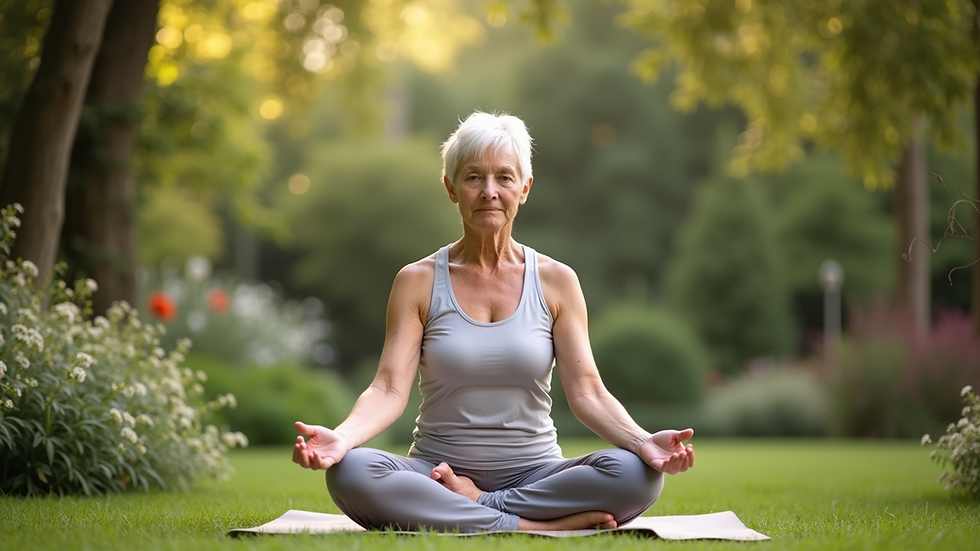
Yoga: This practice improves flexibility, balance, and mental clarity.
Tai Chi: Known for its slow, controlled movements, Tai Chi enhances balance and coordination.
Stretching: Simple stretching routines can improve flexibility and reduce stiffness.
Creating a Balanced Fitness Routine
To stay independent, it’s essential to create a balanced fitness routine that includes all three types of exercises. Here’s a sample weekly plan:
Weekly Fitness Plan
Monday: 30 minutes of brisk walking + 15 minutes of stretching
Tuesday: Strength training with resistance bands (30 minutes)
Wednesday: 30 minutes of swimming
Thursday: Yoga class (1 hour)
Friday: 30 minutes of cycling + 15 minutes of balance exercises
Saturday: Rest day or light walking
Sunday: Tai Chi class (1 hour)
Safety Tips for Exercising
While staying active is important, safety should always come first. Here are some tips to ensure a safe workout experience:
Consult a Doctor: Before starting any new exercise program, it’s wise to consult with a healthcare provider, especially if there are pre-existing health conditions.
Start Slow: Begin with low-intensity exercises and gradually increase the intensity as fitness improves.
Listen to Your Body: Pay attention to any signs of discomfort or pain. It’s important to rest and recover when needed.
Stay Hydrated: Drink plenty of water before, during, and after exercise to stay hydrated.
Staying Motivated
Staying motivated can be challenging, especially when starting a new fitness routine. Here are some strategies to keep the momentum going:
Set Realistic Goals: Establish achievable fitness goals to track progress and celebrate small victories.
Find a Workout Buddy: Exercising with a friend can make workouts more enjoyable and hold you accountable.
Mix It Up: Keep workouts interesting by trying new activities or classes.
Track Progress: Use a journal or fitness app to monitor workouts and progress over time.
Nutrition and Fitness
Nutrition plays a significant role in supporting an active lifestyle. Here are some dietary tips for older adults:
Balanced Diet: Focus on a diet rich in fruits, vegetables, whole grains, lean proteins, and healthy fats.
Stay Hydrated: Drink plenty of fluids throughout the day, especially water.
Limit Processed Foods: Reduce intake of sugary snacks and processed foods that can lead to weight gain and health issues.
Consider Supplements: Consult with a healthcare provider about the need for vitamins or supplements, especially for calcium and vitamin D.
Conclusion
Staying independent as we age is achievable through regular physical activity and a balanced diet. By incorporating aerobic, strength, and flexibility exercises into your routine, you can enhance your overall health and well-being. Remember to prioritize safety, stay motivated, and nourish your body with healthy foods. Embrace the journey of fitness, and enjoy the benefits of a more active lifestyle.
Take the first step today by setting a small fitness goal and gradually building your routine. Your future self will thank you for it!


Comments